If you ask ten different software engineers what AI is, you might get ten different answers. From sci-fi movies painting pictures of sentient robots to businesses using algorithms to predict stock prices, the concept of AI is everywhere. But with so much noise, what is the best definition of artificial intelligence today?
In this guide, we will cut through the technical jargon, explore exactly what AI means for modern businesses, and show you how you can leverage it without needing a Ph.D. in computer science.
The Best Definition of Artificial Intelligence
At its core, the best definition of artificial intelligence is the simulation of human cognitive processes by machines, especially computer systems. These processes include learning (acquiring information and rules for using it), reasoning (using rules to reach approximate or definite conclusions), and self-correction.
To put it simply: AI is a branch of computer science dedicated to creating systems capable of performing tasks that typically require human intelligence. This includes understanding natural language, recognizing patterns, solving complex problems, and making decisions.
For a deeply academic perspective, tech pioneers at organizations like IBM often describe AI as technology that leverages computers and machines to mimic the problem-solving and decision-making capabilities of the human mind.
Breaking Down the AI Umbrella
People often use terms like Machine Learning (ML) and Deep Learning interchangeably with AI, but they are actually nested within each other.
The Best Definition of Artificial In
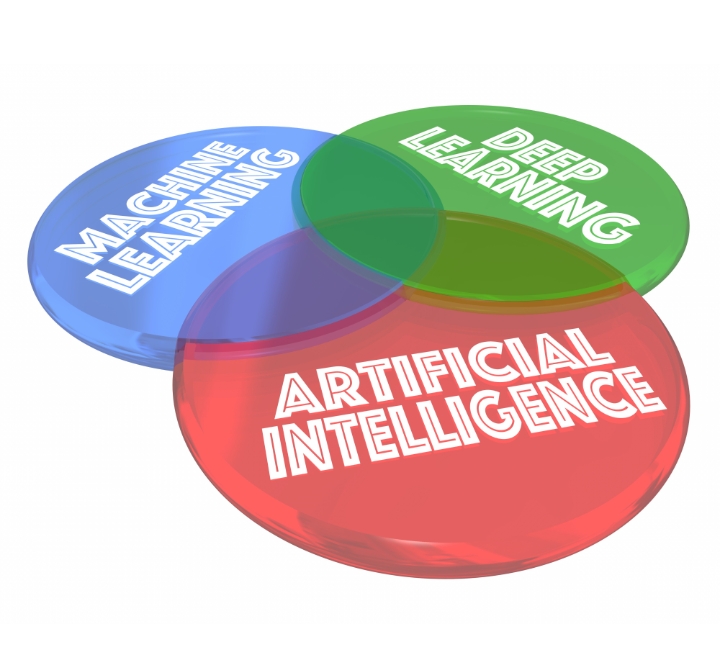
- Artificial Intelligence: The broad concept of machines being able to carry out tasks in a way that we would consider “smart.”
- Machine Learning (ML): A subset of AI based on the idea that machines should be given access to data and left to learn and identify patterns for themselves.
- Deep Learning: A further subset of ML that uses multi-layered artificial neural networks to deliver state-of-the-art accuracy in tasks such as object detection and speech recognition.
AI in Action: Transforming Customer Experience
We are no longer just talking about AI in theory; it is actively running the digital world. One of the most powerful applications of AI is in Natural Language Processing (NLP), which allows machines to read, understand, and generate human language.
This brings us to the rise of intelligent chatbots. Gone are the days of rigid, frustrating bots that only understand specific keywords. Today’s AI assistants can hold context-heavy conversations, resolve customer tickets, and even close sales autonomously.
The best part? You no longer need to be a senior developer to build one. Platforms like the GUKS AI Chatbot Builder allow entrepreneurs and businesses to create, train, and deploy custom neural-network-based chatbots in minutes, completely code-free. By using advanced APIs, these systems understand user intent and provide human-like responses 24/7.
Why Your Business Needs Intelligent Automation
Finding the best definition of artificial intelligence is only the first step; understanding how to apply it is where the real value lies. As we move deeper into a digital-first economy, businesses that rely entirely on manual workflows will struggle to keep up.
AI isn’t here to replace human creativity; it is here to enhance it by taking over repetitive, data-heavy tasks. Whether it’s processing high volumes of web data, automating email marketing triggers, or designing dynamic user interfaces, intelligent automation is the key to scaling without burning out.
If you are looking to bridge the gap between human creativity and AI infrastructure, exploring the custom solutions at Guks Intelligent Automation & Design can help transition your business operations from manual to fully optimized.
Conclusion
Ultimately, the best definition of artificial intelligence is this: it is the ultimate tool for human empowerment. It is a technology that learns from us, adapts to our needs, and automates the mundane so we can focus on the visionary.
Whether you are embedding a smart widget on your website or automating your entire CRM, AI is no longer the future—it is the present. Start building today.